June 11, 2026
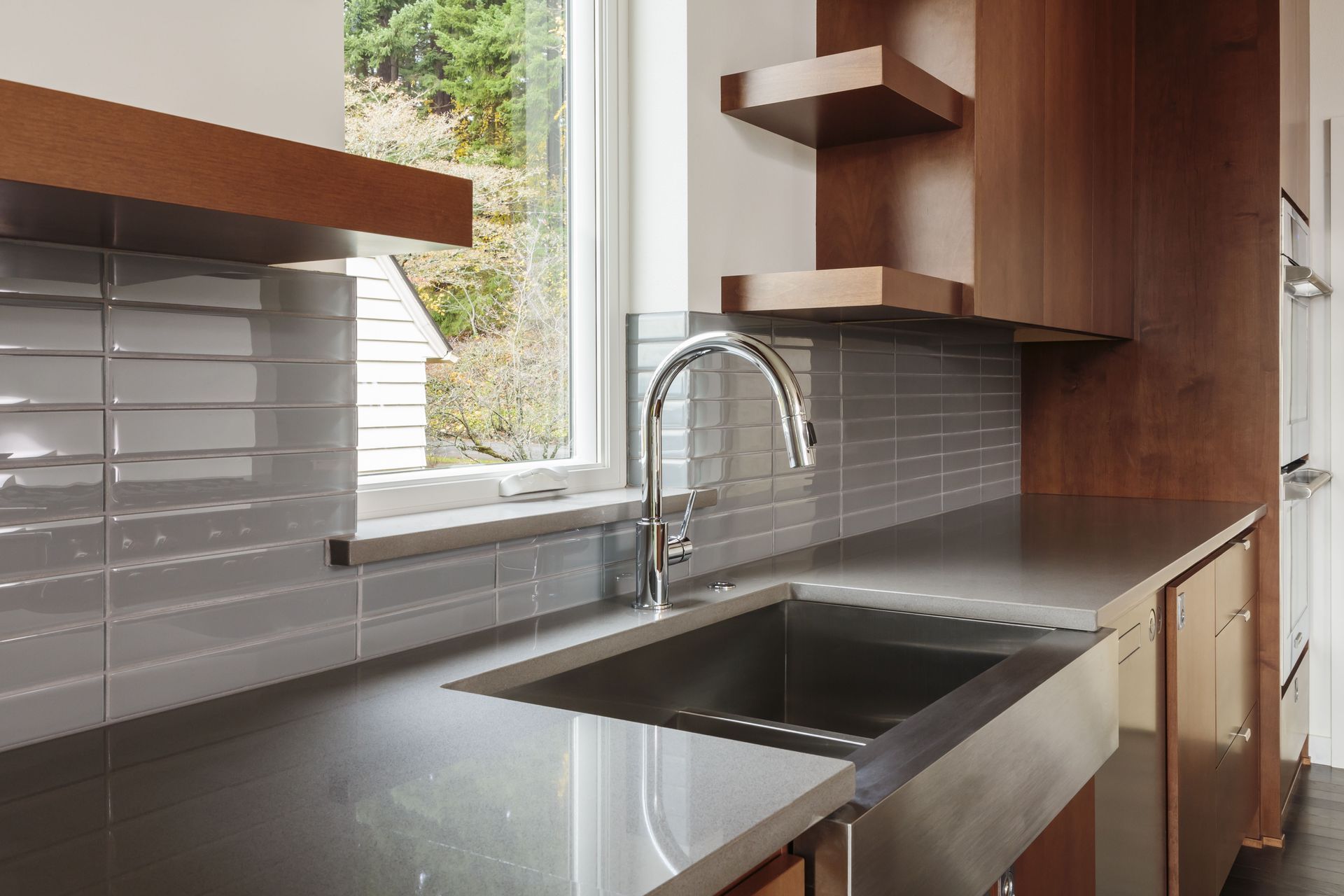
Granite remains one of the most sought-after materials for kitchens and bathrooms because of its natural beauty, durability, and ability to complement a wide range of design styles. Whether your home features a traditional aesthetic or a more contemporary look, granite countertops can provide lasting value and appeal when properly cared for.
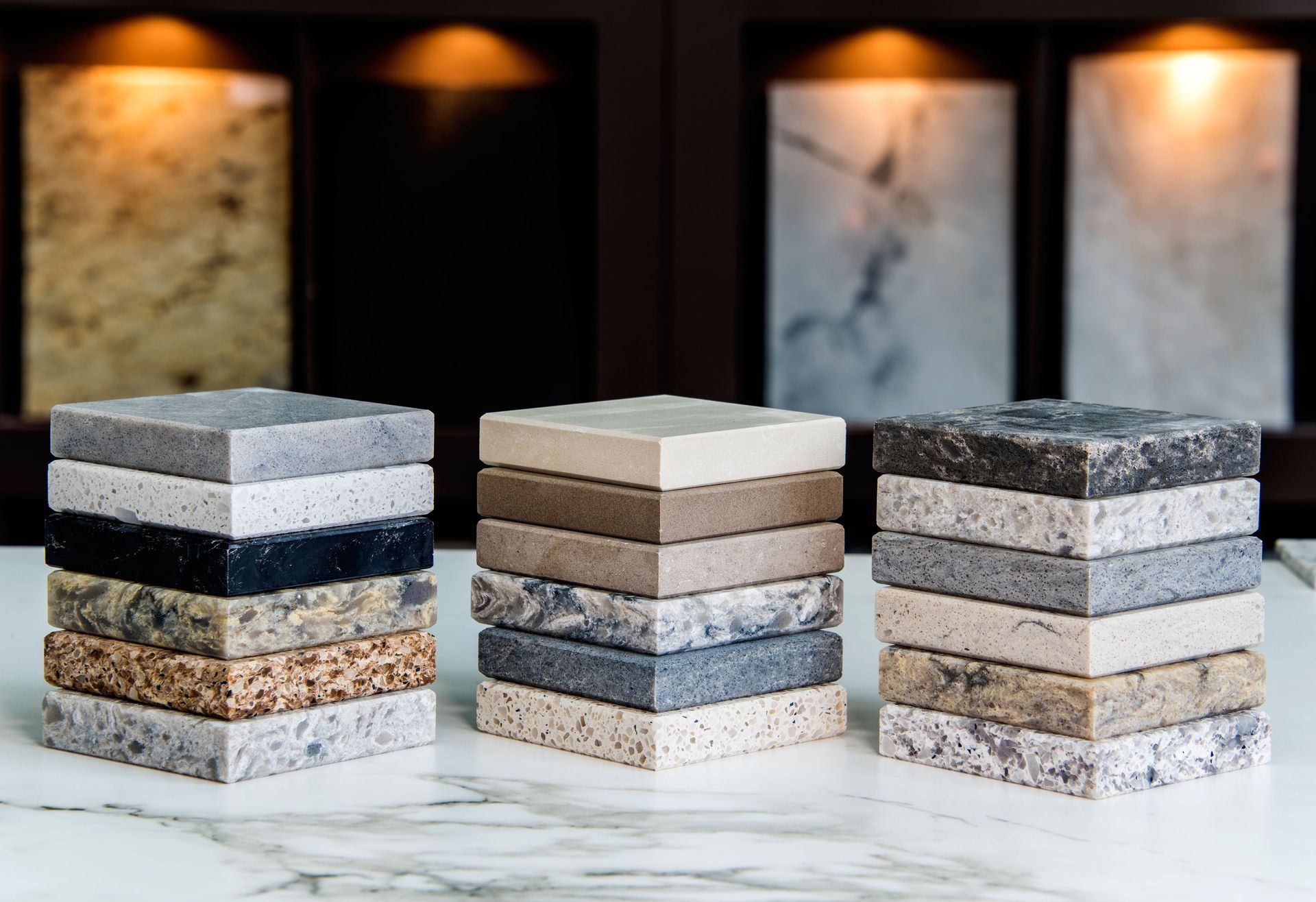
Many homeowners choose granite because it offers a unique appearance that cannot be replicated exactly. According to The Spruce, granite is composed of 100% natural stone, giving each slab distinct colors, patterns, and mineral variations. While this material is known for its strength, maintaining it correctly is essential for preserving its appearance and performance over time.
Understanding the right cleaning methods, preventive measures, and long-term care practices can help ensure your investment continues to enhance your living space for years to come.
Understanding the Basics of Granite Care
Why Granite Requires Routine Attention
Granite is often praised for its durability, but that does not mean it is completely maintenance-free. Like any natural material used throughout the home, it benefits from consistent care that helps preserve its finish and protect it from unnecessary wear.
Daily use exposes granite surfaces to food spills, moisture, oils, and household products that can gradually affect their appearance. Without proper maintenance, even durable granite countertops may begin to lose some of their original luster. Regular attention helps prevent minor issues from becoming more significant concerns.
Routine care also allows homeowners to identify potential problems early. Small stains, worn sealant, or minor surface imperfections are easier to address when noticed promptly. By incorporating simple maintenance habits into your household routine, you can help preserve both the beauty and functionality of your stone surfaces.
Choosing Appropriate Cleaning Products
Selecting the right cleaning products is one of the most important aspects of caring for granite. Many common household cleaners contain ingredients that can damage natural stone over time, even if the effects are not immediately visible.
Harsh chemicals, acidic solutions, and abrasive cleaners should generally be avoided. Products containing vinegar, lemon juice, bleach, or ammonia may gradually wear down protective sealants and affect the stone's finish. Instead, homeowners should opt for pH-balanced cleaners specifically designed for natural stone surfaces.
Warm water and a soft cloth are often sufficient for everyday cleaning. When additional cleaning power is needed, a stone-safe cleaner can help remove residue without causing damage. Consistently using appropriate products helps maintain the appearance of granite countertops while extending the life of any protective sealant.
Establishing a Consistent Maintenance Routine
Consistency plays a major role in preserving granite surfaces. Waiting until visible dirt or staining appears can make cleaning more difficult and increase the likelihood of long-term issues.
A simple routine may include wiping surfaces daily, promptly addressing spills, and performing more thorough cleanings on a regular schedule. These habits help prevent the accumulation of grime and reduce the risk of staining from substances that remain on the surface for extended periods.
Homeowners who establish a maintenance routine often find that caring for granite requires relatively little effort. Small, consistent actions performed throughout the year can significantly contribute to preserving the appearance and value of the material.
Protecting Granite From Everyday Wear
Preventing Stains Before They Develop
One of the most effective maintenance strategies is preventing stains before they occur. Although granite is durable, certain liquids can penetrate the surface if left unattended, particularly if the sealant has begun to wear down.
Coffee, wine, cooking oils, fruit juices, and other common household substances should be cleaned promptly. Allowing spills to remain on the surface increases the possibility of discoloration and staining. Quick action can often prevent permanent damage and minimize cleaning requirements.
Using trays, coasters, and protective mats can also reduce exposure to potentially staining substances. These simple precautions help preserve the appearance of stone surfaces while minimizing the likelihood of future restoration needs.
Reducing the Risk of Scratches and Surface Damage
Granite countertops are highly resistant to scratching, but that does not mean damage is impossible. Repeated contact with rough objects or improper use can affect the finish and contribute to surface wear over time.
Cutting boards should always be used during food preparation rather than cutting directly on the stone. While granite can withstand significant use, preserving the finish is important for maintaining its visual appeal. Likewise, dragging heavy appliances or decorative objects across the surface should be avoided whenever possible.
Protective pads placed beneath frequently moved items can help reduce friction and prevent unnecessary wear. These small preventive measures contribute to maintaining the polished appearance homeowners expect from high-quality stone countertops.
Managing Heat Exposure Safely
Many homeowners appreciate granite because it performs well around heat. Nevertheless, taking precautions remains a wise practice when working with hot cookware and appliances.
Direct exposure to extremely hot pots, pans, and baking dishes may not always cause immediate damage, but repeated thermal stress can affect sealants and potentially impact the stone over time. Using trivets or heat-resistant pads provides an additional layer of protection and helps preserve the surface.
Portable cooking appliances that generate concentrated heat should also be used carefully. Maintaining a barrier between hot objects and the stone helps minimize unnecessary stress and supports the long-term condition of the material.
Identifying Long-Term Preservation Strategies
Understanding the Importance of Sealing
Sealing is one of the most significant aspects of long-term granite maintenance. A quality sealant creates a protective barrier that helps reduce the absorption of liquids and minimizes the risk of staining.
The frequency of sealing varies depending on the specific stone, its finish, and the level of household use. Some countertops may require attention more often than others. Monitoring how water behaves on the surface can provide useful insight into whether resealing may be necessary.
Homeowners who remain proactive about sealing often find it easier to keep their stone surfaces looking clean and attractive. Maintaining this protective layer supports both appearance and durability throughout the years.
Addressing Minor Issues Before They Worsen
Even well-maintained granite can occasionally develop minor imperfections. Small chips, dull spots, or isolated stains may occur as part of normal household use. Addressing these concerns promptly can help prevent more extensive repairs later.
Professional evaluation is often beneficial when damage extends beyond routine cleaning concerns. Experienced stone specialists can determine the most appropriate restoration methods while preserving the integrity of the material.
Taking a proactive approach to maintenance helps homeowners avoid unnecessary deterioration. Early intervention frequently results in simpler solutions and lower restoration costs compared to delaying repairs.
Supporting the Overall Longevity of Your Investment
Granite is often selected not only for its appearance but also for its long-term value. Proper maintenance helps ensure that the material continues to contribute to the beauty and functionality of kitchens, bathrooms, and other living spaces.
Homeowners who combine routine cleaning, preventive protection, and periodic professional assessments typically experience less maintenance challenges over time. These practices help preserve the natural character of the stone while supporting its lasting performance.
Whether incorporated into a major renovation or an existing home design, well-maintained granite surfaces can continue serving as attractive focal points for many years. Consistent care allows homeowners to enjoy the benefits of premium natural stone while protecting their investment and enhancing the overall appeal of their interiors.
Maintaining granite countertops does not require complicated procedures, but it does demand consistency and attention to detail. By following proper cleaning practices, preventing everyday damage, and staying proactive with long-term care, homeowners can keep their granite surfaces looking beautiful and performing reliably for years to come. For more expert advice on granite countertop maintenance, reach out to Westchester Design Center!