February 12, 2026
Designing an outdoor kitchen is an exciting project. It extends your living space, enhances entertaining possibilities, and often becomes a focal point of the backyard. Yet, unlike indoor environments, exterior spaces introduce challenges that directly affect material selection. Weather exposure, temperature fluctuations, moisture, UV radiation, and heavy usage all play a role in determining which countertops will perform best over time.
Among the most common questions homeowners face is whether granite or marble countertops are the better choice. Both are natural stones with undeniable visual appeal, but their performance characteristics differ in ways that matter significantly outdoors. Choosing the right countertops isn't simply a matter of taste — it's a matter of durability, maintenance, and long-term value.
Let's break down how these materials compare so you can make a decision that balances aesthetics with practicality.
Evaluating Durability in Outdoor Environments
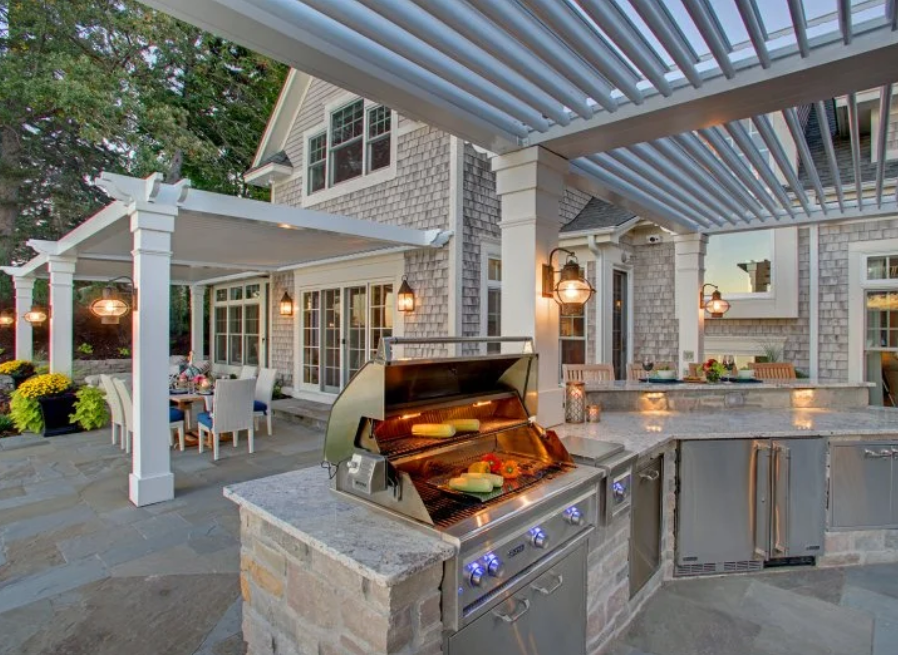
Outdoor kitchens demand countertops that can withstand constant exposure to the elements. Rain, snow, humidity, freezing temperatures, and intense heat cycles place stress on stone surfaces in ways interior installations never experience.
Granite countertops are widely regarded as some of the most resilient natural stones available. Their dense composition makes them highly resistant to cracking, chipping, and weather-related deterioration. According to This Old House, granite countertops are known for two things: their striking patterns and their heat resistance. That heat tolerance is particularly important in outdoor cooking spaces where grills, pizza ovens, and hot cookware are common.
Marble countertops, by contrast, are softer and more porous. While undeniably elegant, they are more vulnerable to scratching, etching, and staining. In outdoor environments, these vulnerabilities become amplified. Moisture infiltration, freeze-thaw cycles, and airborne contaminants can gradually compromise the surface if not properly maintained.
When durability is the primary concern, granite countertops generally hold a clear advantage.
Assessing Resistance to Heat and Sun Exposure
Exterior kitchens introduce two persistent stressors: direct sunlight and elevated temperatures. Countertops must tolerate UV radiation and heat without discoloration or structural degradation.
Granite performs exceptionally well under high temperatures. It resists thermal shock and maintains structural integrity even when exposed to intense heat from cooking equipment. Sun exposure typically has minimal impact on granite's appearance, especially when professionally sealed and installed.
Marble is more sensitive. Prolonged UV exposure can contribute to subtle fading or color shifts, particularly in lighter varieties. Heat resistance is adequate but less robust than granite. Additionally, marble countertops are more prone to surface etching when exposed to acidic substances commonly present in food preparation.
In spaces where grilling and sun exposure are daily realities, heat-stable countertops become essential for preserving long-term performance.
Comparing Maintenance Requirements Over Time
Maintenance is often the deciding factor for homeowners weighing granite versus marble. Outdoor countertops inherently require more upkeep than interior surfaces, making material resilience even more important.
Granite is relatively low-maintenance. Periodic sealing helps maintain stain resistance, but daily care is straightforward. Its dense structure limits absorption of moisture, oils, and food spills. Cleaning typically involves mild soap and water.
Marble demands greater attention. Its porous nature makes it susceptible to staining from grease, wine, citrus, and other common substances. Regular sealing is critical, yet even with diligent care, surface etching and patina development are likely over time.
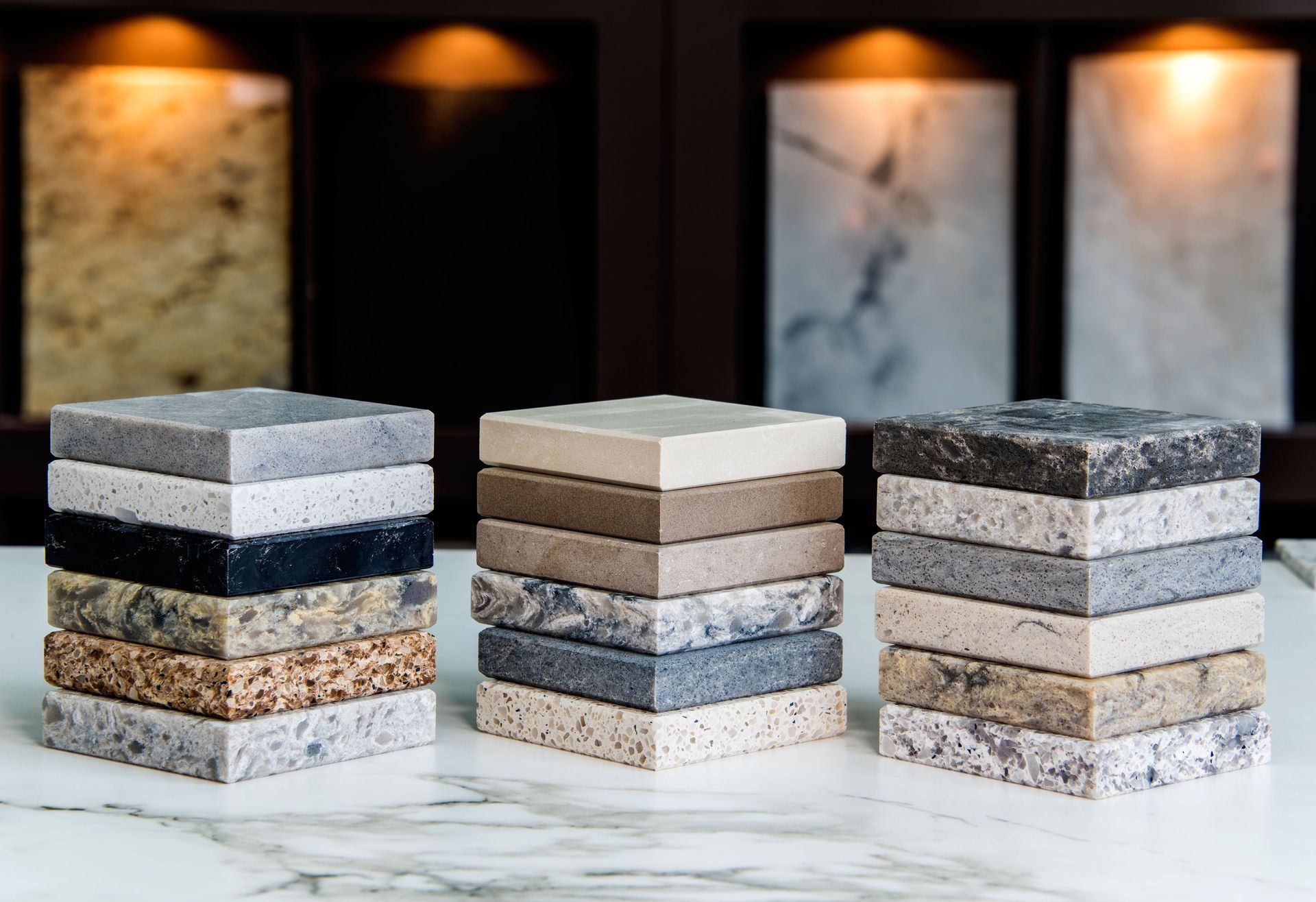
While some homeowners appreciate marble's evolving character, others find the maintenance demands impractical — particularly outdoors. This is where professional design guidance is invaluable. Design center experts can evaluate your usage patterns, climate conditions, and lifestyle preferences to recommend countertops aligned with realistic maintenance expectations.
DIY decisions frequently overlook these long-term considerations.
Balancing Aesthetic Appeal With Practical Function
Visual impact remains a central consideration in any outdoor kitchen design. Both granite and marble countertops offer distinctive aesthetic qualities, but they convey different design narratives.
Granite is known for bold patterns, varied coloration, and dramatic veining. Its natural movement often complements outdoor settings, blending seamlessly with stone patios, landscaping, and architectural elements. The visual depth of granite countertops allows them to function as both a practical work surface and a design statement.
Marble communicates refinement and luxury. Its soft veining and luminous appearance create a sophisticated ambiance often associated with high-end interiors. In certain outdoor designs — particularly covered kitchens or low-traffic entertaining spaces — marble countertops can deliver striking visual results.
However, aesthetics should never be evaluated in isolation. The most successful designs integrate beauty with performance. This is another area where professional expertise offers measurable value. Design center specialists understand how lighting, environment, and usage influence material perception and longevity.
Countertops are not just about appearance on day one — it's about how the space performs years later.
Considering Cost, Value, and Long-Term Investment
Cost comparisons between granite and marble countertops are nuanced. Initial pricing varies depending on stone grade, rarity, and fabrication requirements. In many cases, premium selections of either material can occupy similar price ranges.
The more meaningful distinction lies in lifecycle value.
Granite countertops' durability often translates into lower long-term costs. Reduced maintenance, fewer repairs, and greater resistance to environmental stressors make them a strong investment for heavily used outdoor kitchens.
Marble may require additional care, sealing, and potential refinishing. While visually stunning, its long-term cost profile can be higher, particularly in exposed environments.
Working with experienced professionals helps clarify these financial implications. A design center consultation provides access to accurate pricing, fabrication insights, and performance forecasting — factors frequently underestimated in DIY budgeting.
Unexpected maintenance and replacement expenses can quickly erode perceived savings.
Understanding Installation and Fabrication Challenges
Outdoor countertops introduce technical considerations beyond material selection. Structural support, substrate preparation, drainage, expansion joints, and sealing strategies all influence performance.
Granite's density requires specialized fabrication and handling. Precision cutting, edge finishing, and proper anchoring are critical to preventing stress fractures. Professional installers account for environmental movement and load distribution.
Marble presents additional challenges. Its softer structure increases susceptibility to damage during transport and installation. Exterior applications require meticulous sealing and protective measures to mitigate moisture infiltration.
Improper installation is one of the most common causes of premature failure. DIY approaches often lack the technical expertise required to address structural and environmental variables unique to outdoor settings.
This is where professional design centers deliver significant risk reduction.
Matching Material Choice to Lifestyle and Usage Patterns
Not all outdoor kitchens function the same way. Some are high-traffic cooking hubs used daily, while others serve as occasional entertaining spaces.
Granite countertops are typically better suited for active kitchens. Their resilience supports heavy food preparation, frequent grilling, and exposure to varying weather conditions.
Marble may be appropriate for covered or semi-protected environments with lighter usage. Homeowners prioritizing aesthetics over rugged performance may find marble appealing if they accept higher maintenance requirements.
Lifestyle alignment is essential. A professional consultation ensures countertop decisions reflect how the space will actually be used rather than how it is imagined.
Choosing between granite and marble countertops for an outdoor kitchen is ultimately about balancing beauty, durability, maintenance, and investment value. Granite consistently emerges as the more practical choice for exposed environments due to its strength, heat resistance, and lower upkeep demands. Marble remains a compelling option for homeowners willing to prioritize elegance and accept greater maintenance responsibilities.
What matters most is making a decision grounded in real-world performance — not assumptions.
Countertop selection, fabrication, and installation are interconnected variables that benefit from expert oversight. Professional design center specialists evaluate climate factors, structural considerations, and lifestyle needs to ensure your surfaces perform as intended over time.
If you're planning an outdoor kitchen and want guidance tailored to your space, we invite you to work with us at Westchester Design Center. We help homeowners navigate countertop choices with clarity, confidence, and long-term performance in mind. Let's design something that looks exceptional — and lasts.